Table Of Content
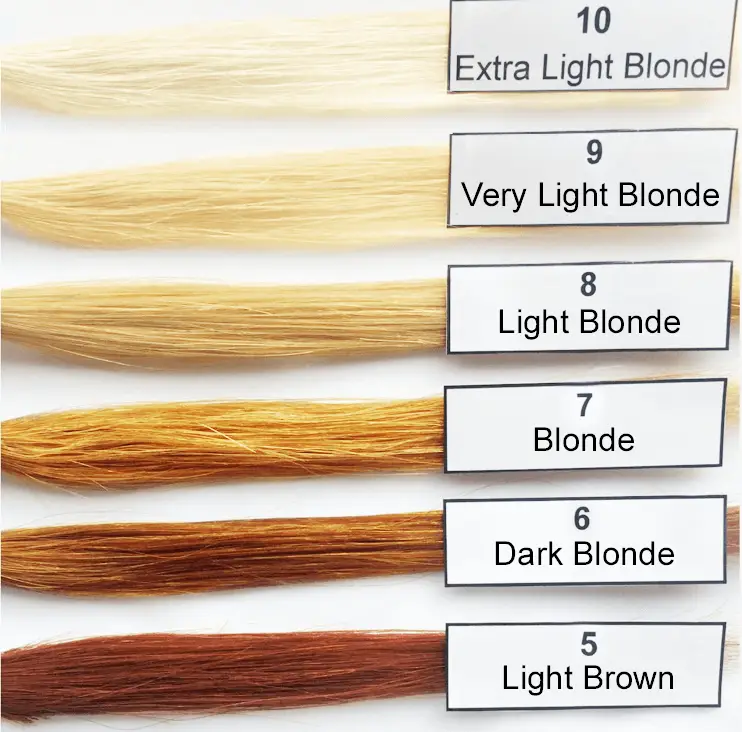
Professional colorists use various techniques to bleach hair. Each of these approaches has its own advantages and considerations. Although effective, bleaching wet hair does come with some risks. It’s important to be aware of the side effects of this technique to avoid possible skin irritation and hair damage. A key benefit of bleaching damp hair is its faster application time compared to dry hair; however, be aware that longer exposure may cause greater damage.
Achieve a Faster Application
If you do decide to bleach freshly washed hair or wet hair, make sure that you leave the bleach in for around 15 minutes if you're just going for a pure blonde base. In some instances, the technique might actually call for wet bleaching, but this is all circumstantial depending on what end product you are looking for. However, since the bleach is diluted with water, it doesn’t produce a significant color change. The balayage technique is a hair painting method used to create soft, graduated highlights for a natural-looking result. By using a lower volume developer, you can reduce the risk of damage and ensure even color distribution across your hair.
Factors to Consider Before Bleaching Wet Hair
Once you have bleached your hair, a gentle routine for your strained tresses is a must. Here are some tips to ensure good hair health after the bleaching process. Although this technique may be tempting to try at home, entrusting it to a skilled colorist is the safest way to achieve desired results while minimizing potential damage.
Can You Apply Toner To Wet Hair After Bleaching?
This is the reason why your hair lightens faster when you apply bleach to wet hair. However, when the hair is wet, it also absorbs some of the water, which can dilute the bleach solution. Hair colorists have their reasons why they might want to bleach your hair while it is damp or wet. They may be after the results that can be produced by wet hair and bleach combo.
What Happens to Hair When Bleached?
Regardless of whether you bleach your hair wet or dry, maintaining your hair's health is paramount. Whether to bleach wet or dry hair is a decision that can greatly affect the outcome of the bleaching process. These chemicals are essential for the lightening effect but should be used judiciously to prevent hair damage. Speaking of hair care, why not enhance your hair care routine with Burlybands hair ties? Designed to be gentle on your locks, Burlybands help prevent breakage, especially after a bleaching treatment.
What happens if you bleach wet hair?
If you’re applying bleach to wet hair, keep in mind that the color of your strands won’t lift as much as it would if applied to dry hair. This is because the water on your hair will dilute the bleach, resulting in softer results. For a subtle color change, your colorist may use bleach on wet hair. This technique is usually best for lifting your strands only one to two shades. Before we delve into bleaching wet hair, let’s address whether you can bleach wet hair.
Bleaching dry hair allows for more control over processing time while minimizing damage from heat exposure. However, if opting for the wet balayage technique, there is less risk of scalp irritation and softer results overall. But in recent years, wet balayage has become extremely popular. This creates a more subtle highlight, which is ideal for certain looks. As bold new hairstyles emerge, these trends and techniques are breaking all the old styling rules. The highlighting trend, wet balayage has been circulating the beauty world and challenging the cardinal rule of adding bleach to wet hair.

Usually, salons will just use water to get it wet then carefully apply the bleach mixture. Keep in mind that it could take several bleaching sessions to get a drastic change in your hair color. You may be tempted to keep the bleach on your hair for a long time or plan sessions one after another to achieve your desired results more quickly.
How to Get Rid of Brassy Hair, According to Expert Colorists - Real Simple
How to Get Rid of Brassy Hair, According to Expert Colorists.
Posted: Tue, 26 Mar 2024 07:00:00 GMT [source]
With our science-backed formulas and proven results, you can achieve the healthy and vibrant locks you've always desired. Set a timer and check the progress frequently to avoid over-processing, which could lead to severe damage. Aim for uniformly damp hair to help distribute the bleach more evenly.
It’s crucial to monitor the process and check the hair’s progress throughout. By applying bleach to the wet ends, colorists can target these areas specifically, refreshing the color and adding renewed vibrancy. This technique is a great solution for individuals looking to maintain the brightness of their highlights between full coloring sessions. The combination of water and diluted bleach allows for a softer diffusion of color, resulting in highlights that seamlessly blend with the base hair color.
Always opt towards trimming your split ends at the proper time. Regular trims will make your bleached hair look fresh and even. Once you bleach your hair, you need to reduce the number of bleaching sessions. In addition, bleaching changes your hair; you can follow several tips to enjoy this change. Keep in view the below-mentioned instructions for perfect bleaching results. The hair cuticle becomes open when wet as the cuticle is the outermost layer of your hair.
If bleaching wet hair is the best method to achieve your desired look, or if another lightening method would be preferable, your colorist will know. Wet balayage also helps retain natural oils, which protect the scalp from irritation and damage during processing time. For best results, leave the bleach on damp hair for up to 30 minutes, depending on the desired shade. Regardless of whether you are trying to bleach wet or dry hair, both processes entail the same preparation method.
You should avoid washing your hair before you go through the bleaching process. Professional colorists possess the necessary training to minimize these risks through expert techniques. They understand the balance required to dampen the hair effectively without causing excessive damage and use high-quality products to ensure consistent and controlled results. The gentle and gradual lightening achieved through wet hair bleaching contributes to a beautifully textured and multi-dimensional appearance.
Not only does bleach process faster on wet hair, but the goal is to create a subtle color change. The bleach doesn’t need to stay on your hair for a long time. While DIY wet hair bleaching may seem like a cost-effective option, the potential risks and subpar results make it a less desirable choice compared to professional services. Attempting to bleach wet hair at home can be risky, with potential for uneven color, over-processing, and hair damage. Ultimately, the decision between wet and dry hair bleaching comes down to personal preference, hair type, and desired outcome. Bleaching wet hair creates a diffused, soft effect, and the resulting color covers a larger surface area.
StyleCraze provides content of general nature that is designed for informational purposes only. The content is not intended to be a substitute for professional medical advice, diagnosis, or treatment. We all know that when hair is wet, it is most prone to breaking, frazzling, and splitting all at once. To answer this question, we shall first find out how to discolor our strands properly at all.
Despite the benefits, wet hair is more delicate due to the open cuticle created by moisture. However, because the bleach is diluted with water, there isn’t much of a color change. After a conventional highlight session, it is also used to further brighten the ends. A colorist can add additional bleach to your hair after it has already been bleached, processed, and rinsed to enhance the result.




No comments:
Post a Comment